I. Core Directions for Electrical Renovation of Ship Thrusters
According to the type of vessel (cargo ship, passenger ship, workboat, yacht, etc.), tonnage, navigation conditions (inland river/ocean, constant speed/variable conditions) and renovation requirements, the core renovation directions are mainly divided into four categories, which can be implemented either individually or in combination:
1. Upgrade of the drive system (the most core)
2. Intelligence of the control and monitoring system
3 Distribution and Power Supply System Optimization
4. Auxiliary System Matching Upgrade
II. Key System Design and Core Equipment Selection.
1. Selection of core electrical equipment (based on Marine certification)
2. Key parameters for system compatibility design
3. Key Points of Electrical Schematic Design
III. Implementation Process of Electrical Renovation for Ship Thrusters
1. Preliminary Assessment (Renovation Foundation, Key Links)
2. Scheme design and review
3. Equipment procurement and on-site inspection
4. On-site construction (dry-docking construction, safety first)
5. Commissioning and Acceptance (Phased commissioning, classification society certification)
IV. Core Specifications and Maritime Requirements
Ship electrical retrofitting is a major modification of ships and must be reviewed and accepted by classification societies and obtain certification; otherwise, it will not pass the annual inspection of ships. The core norms and requirements to be followed are:
The electrical and propulsion system sections in the "Code for Construction of Domestic Navigation Sea Vessels (2022)" and the "Code for Construction of Inland River Vessels (2021)";
According to the "Regulations on Energy Efficiency Management of Ships" of the Maritime Safety Administration, after the renovation, the energy efficiency EEDI/EEXI indicators of the ship must be met. For energy-saving renovations, an energy consumption test report must be provided.
For Marine electrical equipment, CCS/ABS/LR certification is required. Core equipment (motors, frequency converters, PLCS) must have type approval certificates from classification societies.
Insulation requirements for electrical systems: Insulation resistance of low-voltage systems ≥1MΩ, insulation resistance of medium-voltage systems ≥10MΩ. Regular inspections are required during operation.
Explosion-proof requirements: Electrical equipment in ship engine rooms and hazardous areas must be of Marine flameproof type/intrinsically safe type, in compliance with the GB 3836 maritime explosion-proof standard.
Electromagnetic compatibility requirements: The frequency conversion system of the thruster must comply with the Marine electromagnetic compatibility (EMC) standards to avoid electromagnetic interference to the ship's navigation and communication equipment.
1. Original bridge control panel 1. 原装驾驶台控制板
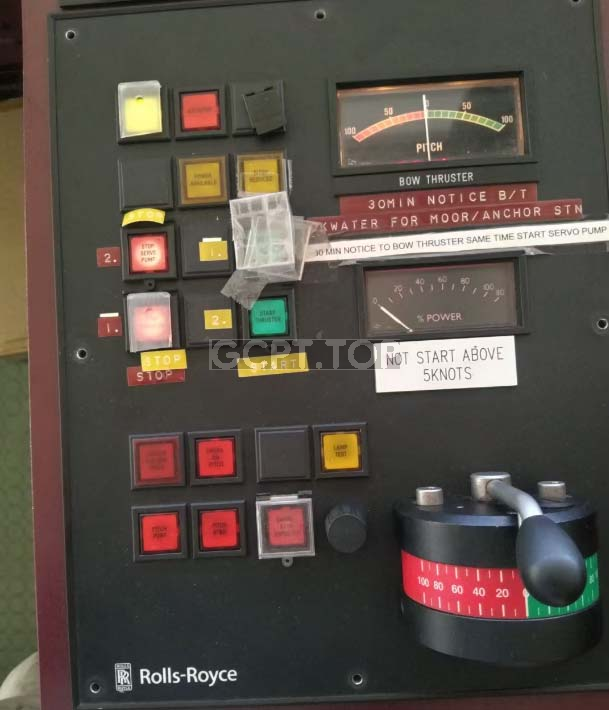
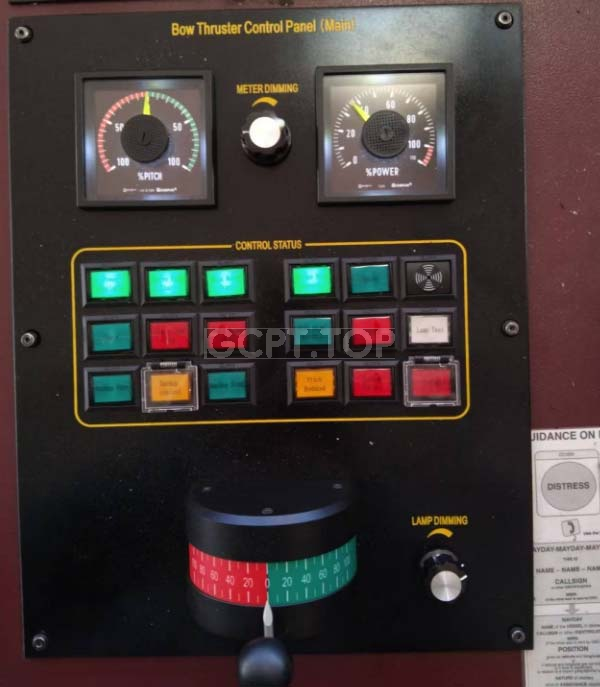
2. New bridge control panel 2. 新型驾驶台控制面板
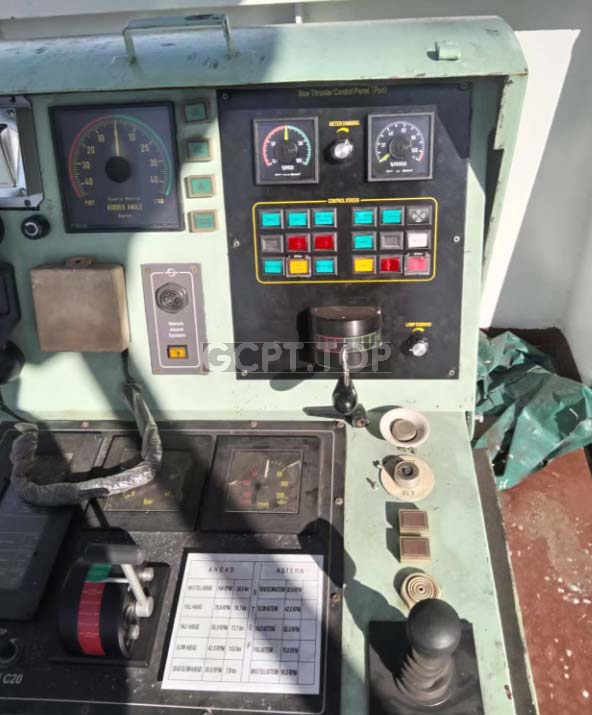
3. New wing console control panel 3. 新的机翼控制台控制面板
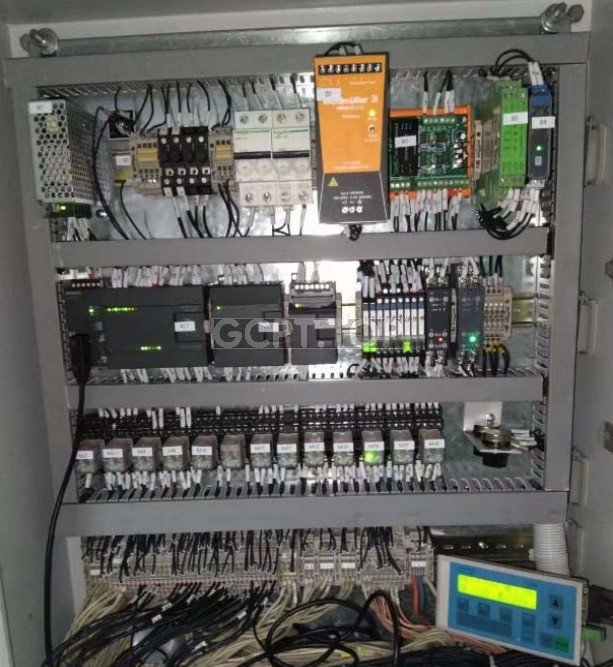
4. New PLC control system 4. 新型PLC控制系统
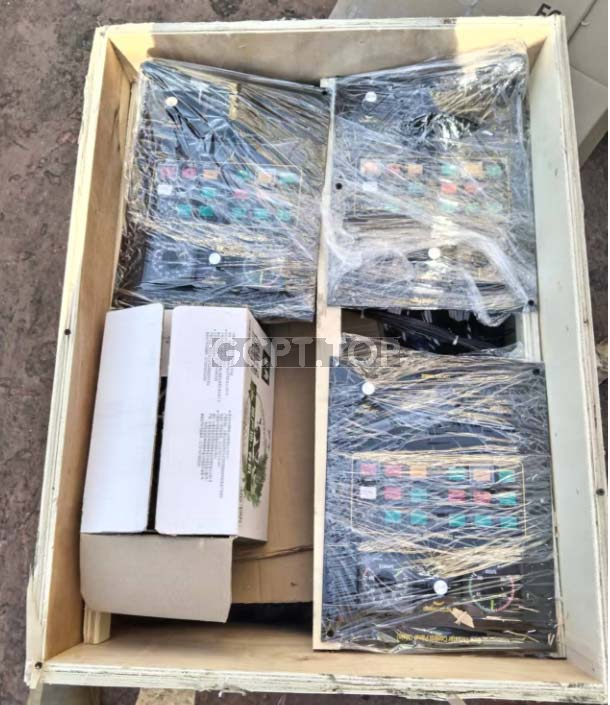
5. Original PCB control system 5. 原始PCB控制系统
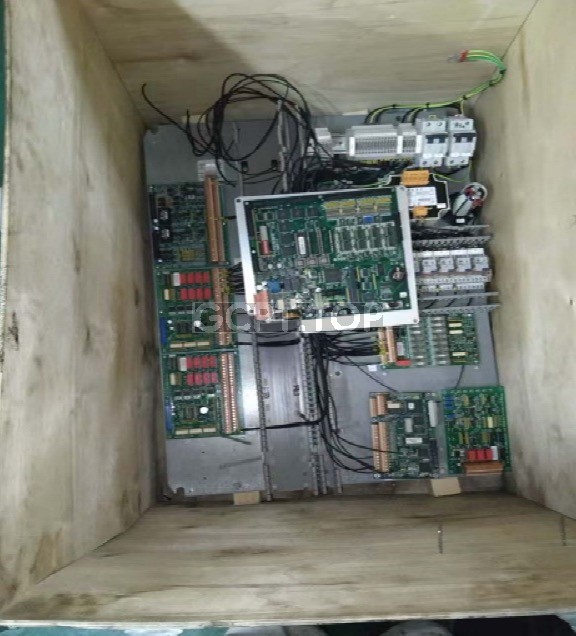
6. Original control box 6. 原装控制箱
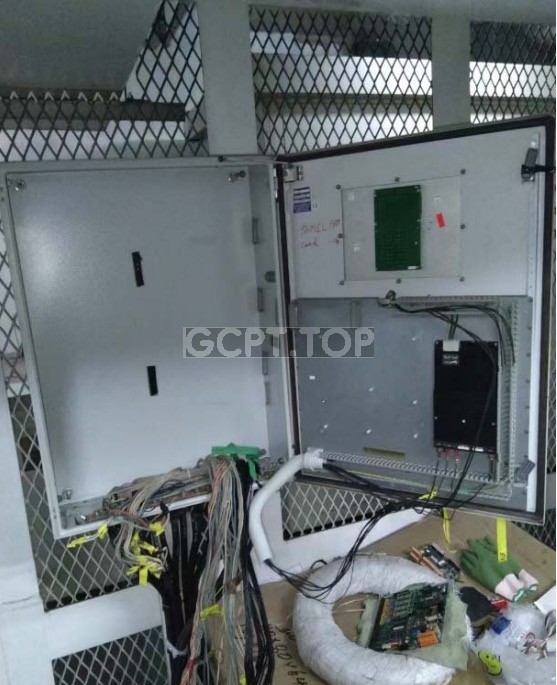
7. New central control board 7. 新的中央控制板
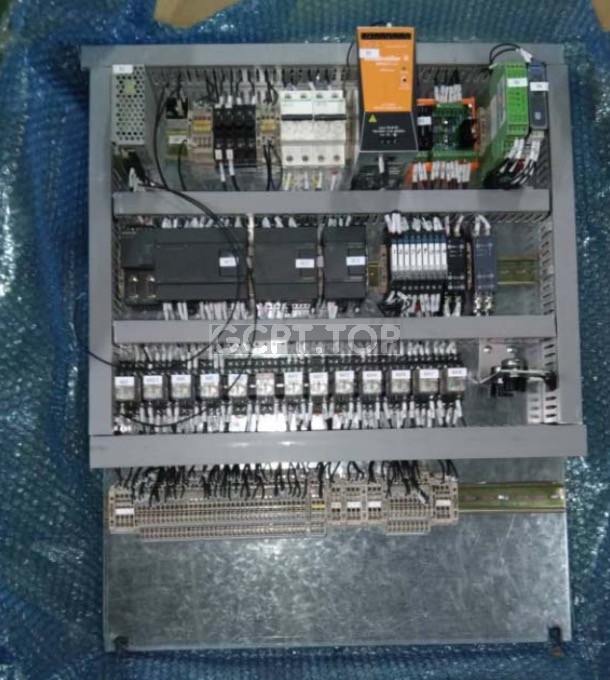
8. New central control box 8. 新型中控箱